
Get your tickets! CONTROL TOP 2026!
Get your tickets! CONTROL TOP 2026!
OCTOBER 22
&
OCTOBER 23
Thurs. & Fri., 7:30 pm
HOSTED BY
LOST NATION THEATER
MONTPELIER
CLICK HERE for OCT. 22 & 23
TICKETS in Montpelier
SEPTEMBER 26, 7 pm
SEPTEMBER 27, 2 pm matinee
THANK YOU!
SHELBURNE TOWN HALL
SEPTEMBER 25, 7 pm
THANK YOU!
The Lamoille County Players HYDE PARK OPERA HOUSE
OCTOBER 1 & 2, 7:30 pm
THANK YOU!
Grange Hall Cultural Center
WATERBURY CTR.
OCTOBER 10
SOLD OUT
SPOTLIGHT Black Box
SOUTH BURLINGTON
CLICK HERE for OCT. 10 TICKETS IN SOUTH BURLINGTON

Created with support from
the Vermont Arts Council, the Vermont Community Foundation
and the National Endowment for the Arts.


We thank Dr. Kym Boyman & Vermont Gynecology for making our 2026 productions possible through their generous support.

THE PLAY
CONTROL TOP features an ensemble of five women who reflect on their lifetime experiences with clothing. In funny and poignant conversations, they reveal what lies beneath the very fabric of their lives.
From lack of pockets to varying opinions on pantyhose ~ gendered T-shirts ~ dress codes ~ not-so-miracle bathing suits and training bras (and what exactly is being trained?), the women share, empathize, and strategize how to move forward.
CONTROL TOP was inspired by Abby Wambach’s quote, “Wear what you want. Love who you love. Become what you imagine.” Vasta Folley says, “Wambach’s words are a rousing declaration and an invocation to recognize control - both blatant and hidden, ” adding, “How else to ‘wear what you want’ than to first understand what you wore and why?”
Written by Vermont playwright Carole Vasta Folley with support from the Vermont Arts Council, the Vermont Community Foundation, and the National Endowment for the Arts, CONTROL TOP’s mission was to examine the impact of gendered clothing on women. The playwright began with interviewing women to hear their personal stories of what they wear and why.
“Lucky for me, the women I talked to were more than generous, willing to take the time to share their experiences with clothes,” notes Vasta Folley. “Some of what they shared was triumphant, others were heartbreaking, and many were hilarious. It was as if we were in a dressing room together lamenting over fit, size discrepancies, lack of pockets, and the brutality of three-way mirrors. Ultimately, every one I talked with was affected by the capriciousness and consumerism of a fashion industry that thrives on judgment of women’s bodies. All of us were raised to feel as if we should be smaller.”
CONTROL TOP aligns with the playwright’s mission to tell meaningful stories about women who have lived long and interesting lives. Her work, which plays to sold-out audiences, often tackles challenging issues like loss and abuse. But whether exploring these heavy topics or how clothing impacts women in our society, Vasta Folley always brings a side of comedy.
“Humor is the balm to the tough stuff in life,” she says, adding, “And CONTROL TOP is funny—after all, I can’t be the only one who finds humor in shapewear, jeggings, and shawls, oh my!”
“Humor is the balm to the tough stuff in life,” she says, adding, “And CONTROL TOP is funny—after all, I can’t be the only one who finds humor in pantyhose, jeggings, and shawls, oh my!


The Playwright
An epiphany chaser, a lover of phrases that create goosebumps and a stalwart devotee of the power of the written word, Carole Vasta Folley is an award-winning playwright, columnist and writer living in Vermont.

After all those years as a woman hearing “not thin enough,
not pretty enough, not smart enough,
not this enough, not that enough,”
almost overnight I woke up one morning and thought,
“I’m enough.”
~ Anna Quindlen

Our Cast
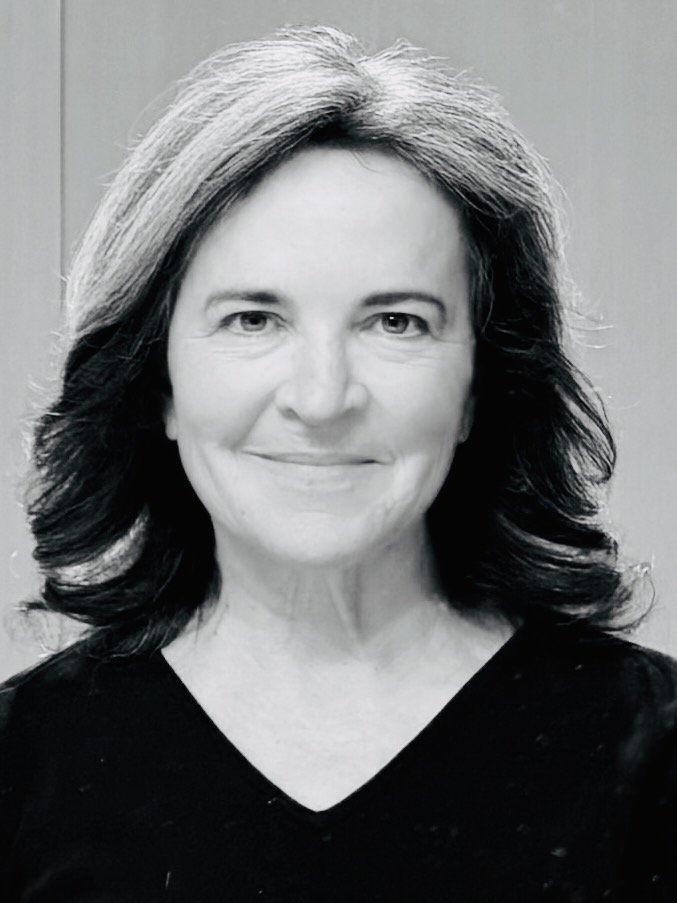
Kelly Kendall
Linda McGinnis

Carole Vasta Folley


Pam Toof Norton
Kimberly Rockwood
Meredith Neary - Lighting/Sound

Our Crew
Andrea Wolga - Producer
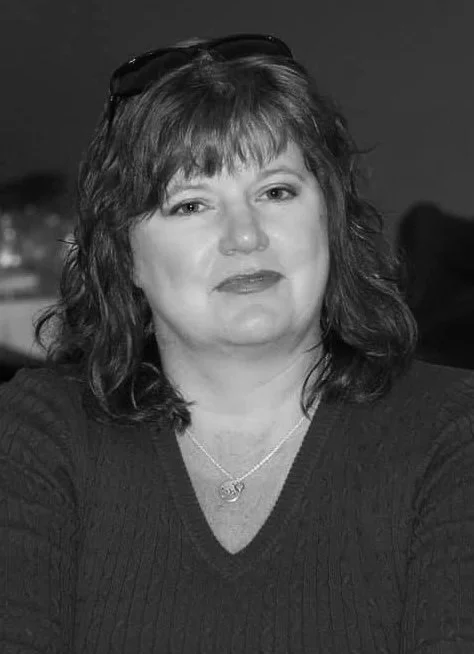
Whitney Doremus - Stage Manager


